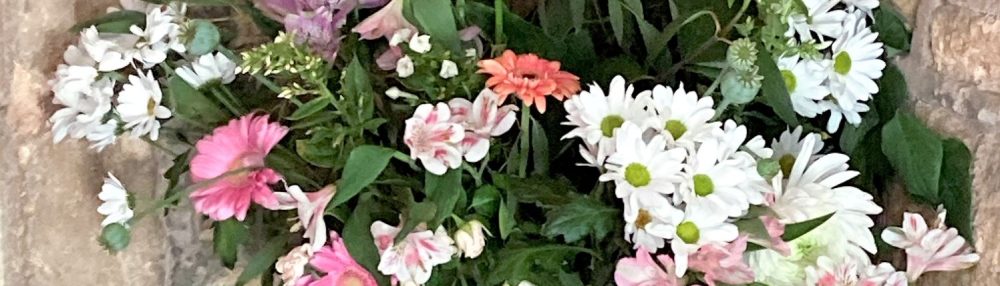
We are in the season of Easter or ‘Eastertide’. Easter, which like Christmas, is a far longer period than the days which serve as national holidays. In fact, Easter has just begun and is a joyous 50-day season spanning from Easter Sunday to Pentecost, (at the end of May) marking the resurrection of Jesus Christ and his appearances to the disciples before his ascension to heaven.
Eastertide is the church’s longest season. While it runs, Christians celebrate victory over death through special services. Church decorations and priests vestments change to white and gold, and worship features constant “Alleluias”, emphasising themes of light, new life, and sacramental joy.
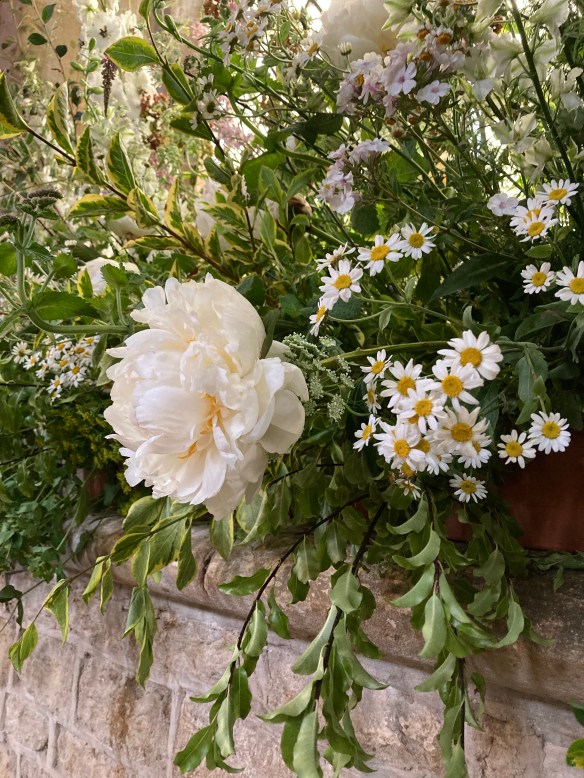
In nature, at least in the northern hemisphere, Eastertide coincides with the burst of Spring into Summer, longer hours of daylight for some places, growth and colour in new leaves on the trees and as flowers burst into life. Decorations return to our churches and flowers decorate as the season progresses.
In the UK, we see hedgerows at their most abundant, with hawthorn’s white flowers lining the field edges.. and traditionally, the cricket season begins after Easter too. Villages up and down the country, will be preparing wickets ready to play.
Key Facts: Eastertide (Church of England)
Duration: 50 days (often called “The Great Fifty Days”), lasting from Easter Day until Pentecost.
Theme: Resurrection joy, life, light, and the presence of the risen Christ.
The Easter Candle: A large candle is lit from a new fire at the Vigil, placed near the altar, and lit at all services throughout the 50 days.
Liturgical Changes: Liturgical colors are white or gold to signify celebration. The word “Alleluia” is used frequently.
End Point: The season concludes on Pentecost Sunday (also known as Whitsunday)
Key Moments:
Easter Vigil: Occurs on Holy Saturday night, initiating Easter with light, fire, and a service of renewal.
Ascension Day: Celebrated 40 days after Easter, marking Jesus’ return to the Father.
Easter Octave: The first eight days are treated as a single day of celebration, ending on Low Sunday.
Customs and Symbolism
Worship Texts: According to the Church of England’s Common Worship, the season includes reflections on the post-resurrection appearances of Jesus and the coming of the Holy Spirit.
Candles: Individual worshippers often light their own candles from the main Easter Candle, symbolising their personal new life in Christ.
Proclamation: The traditional greeting is “Alleluia! Christ is risen!” with the response “He is risen indeed! Alleluia!”.
 St Peter's Church, Church Langton