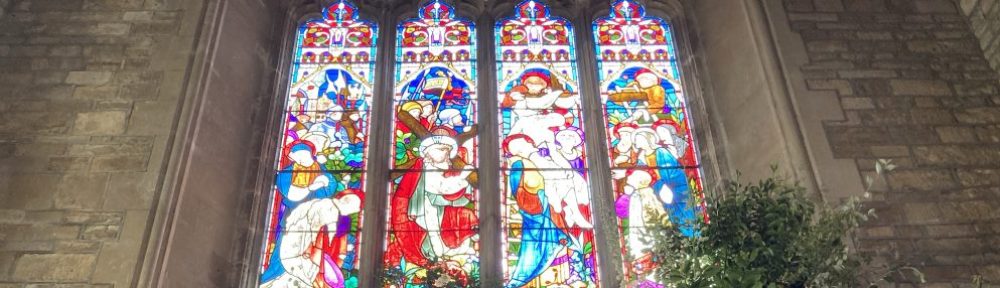
Sunday 15th March, 11am
All Age Worship today at
St Andrew’s in Tur Langton, 11am
A reminder that this Sunday, the celebration of Mothering Sunday in the Langtons, takes place at St Andrew’s in Tur Langton. An all-age service where everyone can take part and enjoy a celebration of mums and motherhood.
Mothering Sunday and its history
Mothering Sunday is a special day in the calendar for many reasons. It’s date fluctuates, along with all the Lent and Easter dates, which fall in line with the phases of the moon. Read all about that interesting connection in our article about Lent.
Usually, Mothering Sunday marks the midpoint of Lent – and for those fasting, traditionally, is a day off from strict limitations. Over the years, its name has changed outside the church to Mother’s Day, a time to spend with our mums and thank them for carrying us, bringing us into the world and nurturing us throughout our lives.
Mother Church – a spiritual mother
Going back to the festival in the 16th Century, the day marked and celebrated not our earthly, human mothers, but the ‘Mother Church‘ – the church people where grew up, where they were baptised and where their parents probably still resided. Workers on large estates were granted time to visit family and go to their home church to worship.
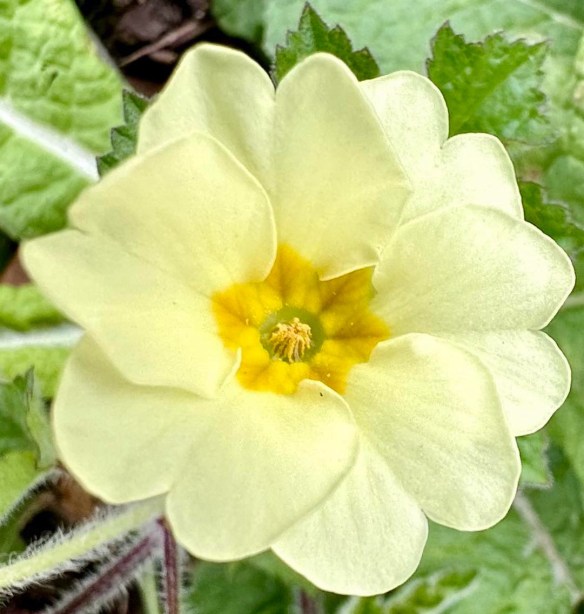
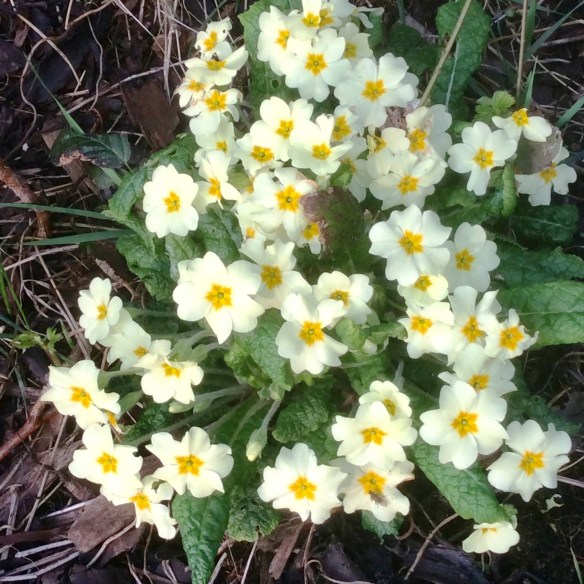
Traditional gifts for mothers for many years were the flowers in bloom at the time. Primroses and violets often flower together and were a favourite for children. Small flowers, small stems were easy for little fingers to pick and these tiny early flowers are the brightest and cheeriest growing in early Spring.
These strong plants are essential pollinators for bees and hoverflies as they emerge from winter hibernation and very easy to grow. They love open grass and a sunny spot. Usually if you plant a primrose, the violets find them and set themselves naturally alongside. Just allow Mother Nature to do her thing and you’ll be rewarded.
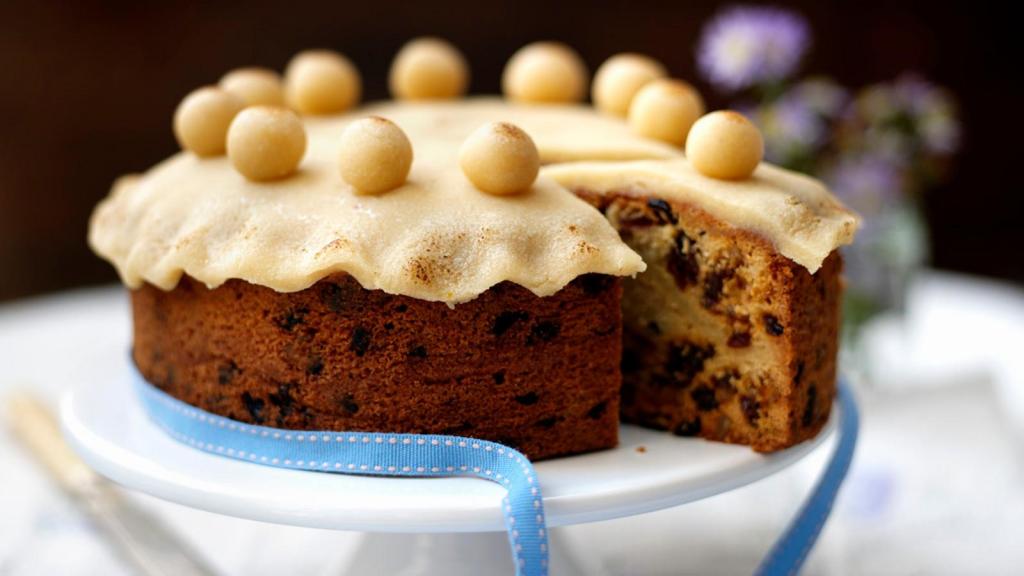
Simnel cake for Easter and Mothering Sunday
The traditional food for this special day is a Simnel Cake, a lighter fruit cake than Christmas but made with marzipan and decorated with 11 marzipan balls – which represent the disciples of Christ, not 12 as Judas does not appear on the cake. If you make one, count them carefully! Here’s a recipe for Simnel Cake to try.
Mothering Sunday today
These days, like Christmas, Mother’s Day is a much more commercial affair, but at its heart lie the same intentions as always, to think about how we came to be here and the unique contribution to our lives by our mums. Our relationship with our mother, is our first physical relationship we have.
The bond to our mothers is made of flesh, through which we grow, from embryo to baby. Once born, our relationships to her, our fathers and siblings develops and widens, but that first connection is physical, spiritual and unique.
Jesus and Mary
Arguably, the most well-known mother and son in world history. It is interesting to see their relationship through the gospels. Mary delighted in her son and whilst initially startled by God’s choice of her as his son’s earthly mother, embraced and followed her path with dedication and wisdom. Throughout his life, we see her reflect and ponder on the boy she gave birth to in the stable and his influence on the world and people around him.
Water into Wine, Jesus’s first miracle
The first miracle of Jesus’ ministry, took place at a wedding and shows a lovely side of their relationship.
Jesus and Mary were at a big wedding celebration in Cana in Galilee. The wine ran out, leaving many thirsty guests and a difficult situation for the wedding host.
Mary knew who could solve the problem.
Jesus told her that his time had not yet come. He wasn’t ready… but like all good mothers, Mary knew better.
She knew his time was here and his time was NOW. So, she ignored Jesus and told the servant, ‘Do what he tells you to do’.
The rest of the story is so well known. Jesus told the servant to take the wine jugs to the water vessels and fill them from there. Instead of water, wine poured out – and no one was thirsty.
And the lovely detail at the end of the story… the wine was the best, really good and fine.
Mary knew and was right.
She nudged Jesus forward, like all mums do, from first steps onwards. His first step to his life’s work and fulfilling his purpose. What a gift.
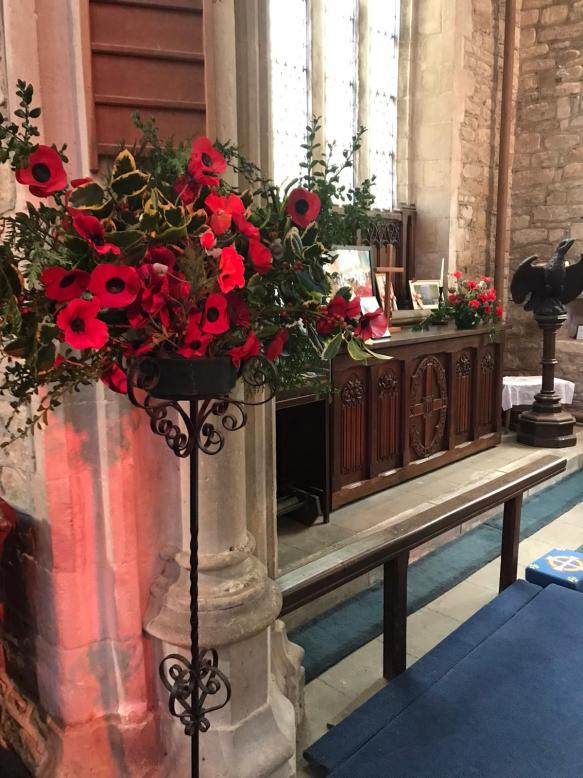
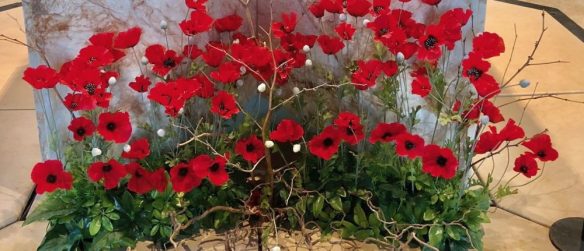
 St Peter's Church, Church Langton