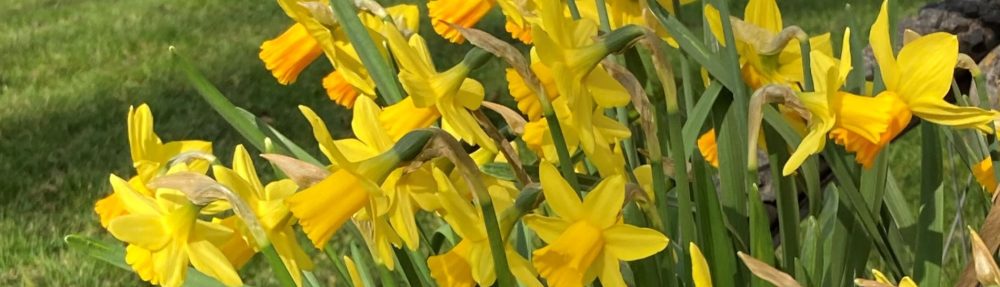
All Age Worship today at St Andrew’s in Tur Langton, 11am
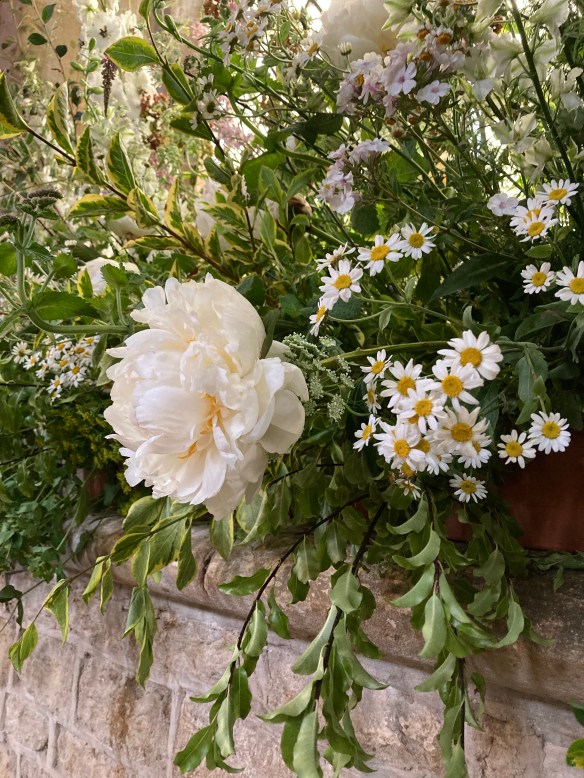
A reminder that this Sunday, the celebration of Mothering Sunday in the Langtons, takes place at St Andrew’s in Tur Langton. An all-age service where everyone can take part and enjoy a celebration of mums and motherhood.
Mothering Sunday and its history
Mothering Sunday is a special day in the calendar for many reasons. It’s date fluctuates, along with all the Lent and Easter dates, which fall in line with the phases of the moon. Read all about that interesting connection in our article about Lent.
Usually, Mothering Sunday marks the midpoint of Lent – and for those fasting, traditionally, is a day off from strict limitations. Over the years, its name has changed outside the church to Mother’s Day, a time to spend with our mums and thank them for carrying us, bringing us into the world and nurturing us throughout our lives.
Mother Church – a spiritual mother
Going back to the festival in the 16th Century, the day marked and celebrated not our earthly, human mothers, but the ‘Mother Church‘ – the church people where grew up, where they were baptised and where their parents probably still resided. Workers on large estates were granted time to visit family and go to their home church to worship.
Traditional gifts for mothers for many years were the flowers in bloom at the time. Primroses and violets often flower together and were a favourite for children. Small flowers, small stems were easy for little fingers to pick and these tiny early flowers are the brightest and cheeriest growing in early Spring.
These strong plants are essential pollinators for bees and hoverflies as they emerge from winter hibernation and very easy to grow. They love open grass and a sunny spot. Usually if you plant a primrose, the violets find them and set themselves naturally alongside. Just allow Mother Nature to do her thing and you’ll be rewarded.
Mothering Sunday – A traditional flower in the UK, the wild Primrose
Simnel cake for Easter and Mothering Sunday
The traditional food for this special day is a Simnel Cake, a lighter fruit cake than Christmas but made with marzipan and decorated with 11 marzipan balls – which represent the disciples of Christ, not 12 as Judas does not appear on the cake. If you make one, count them carefully! Here’s a recipe for Simnel Cake to try.
Mothering Sunday today
These days, like Christmas, Mother’s Day is a much more commercial affair, but at its heart lie the same intentions as always, to think about how we came to be here and the unique contribution to our lives by our mums. Our relationship with our mother, is our first physical relationship we have.
The bond to our mothers is made of flesh, through which we grow, from embryo to baby. Once born, our relationships to her, our fathers and siblings develops and widens, but that first connection is physical, spiritual and unique.
Jesus and Mary
Arguably, the most well-known mother and son in world history. It is interesting to see their relationship through the gospels. Mary delighted in her son and whilst initially startled by God’s choice of her as his son’s earthly mother, embraced and followed her path with dedication and wisdom. Throughout his life, we see her reflect and ponder on the boy she gave birth to in the stable and his influence on the world and people around him.
Water into Wine, Jesus’s first miracle
The first miracle of Jesus’ ministry, took place at a wedding and shows a lovely side of their relationship.
Jesus and Mary were at a big wedding celebration in Cana in Galilee. The wine ran out, leaving many thirsty guests and a difficult situation for the wedding host.
Mary knew who could solve the problem.
Jesus told her that his time had not yet come. He wasn’t ready… but like all good mothers, Mary knew better.
She knew his time was here and his time was NOW. So, she ignored Jesus and told the servant, ‘Do what he tells you to do’.
The rest of the story is so well known. Jesus told the servant to take the wine jugs to the water vessels and fill them from there. Instead of water, wine poured out – and no one was thirsty.
And the lovely detail at the end of the story… the wine was the best, really good and fine.
Mary knew and was right.
She nudged Jesus forward, like all mums do, from first steps onwards. His first step to his life’s work and fulfilling his purpose. What a gift.
The season of Lent is upon us – in fact this year, it starts early, in February – This is an article with a little background and history to the season – and the Festivals that mark it.
What is Lent?
Paul Lucas
The season of Lent is the time of reflection, fasting and prayer that Christians follow in the run-up to Easter, the most important part of the Christian faith. Christmas celebrates Jesus’s birth, but Easter celebrates his resurrection and promise of new life to everyone.
The Lent season lasts six weeks and reflects the 40 days that Jesus spent in the desert. Jesus spent this time alone there fasting, praying, thinking about his life ahead and his ministry to come. So, Lent begins with two contrasting days – Shrove Tuesday and Ash Wednesday.
Shrove Tuesday
Also known by many different names around the world – In the UK, we call it ‘Pancake Day’, France and French speaking countries, ‘Mardi Gras’ (Fat Tuesday), Spanish, Portuguese and Italian it is called, ‘Carnival’ – Germany ‘Fastnachtsdienstag’.
Whatever the origin of the name, the celebrations include food treats to use up all the eggs, fat and flour in the house before the time of fasting. Famous Mardi Gras festivals take place in New Orleans in the USA and in Venice, Italy, the remarkable ‘Carnival’ is world famous. Although contrasting, masks and elaborate costumes are worn in both celebrations and music abounds from every door and alleyway.
Ash Wednesday
This is the first day of Lent and after everyone has sobered up from the day before, the seriousness of Lent begins. In the UK, palm crosses from the previous year are solemnly burnt before the Ash Wednesday service. The priest mixes the ashes with sacred oil and during the service, anoints each person with a cross on their forehead. This is a symbol of their faith and their journey ahead – during Lent and beyond.
Why do Easter and Lent change dates?
A question we often wonder! The date of Easter is determined by the ‘inconstant moon’, as Shakespeare’s Juliet called it – Easter falls on the first full moon after the Spring equinox (on 21st March) and Lent is the six weeks before that. However, the moon’s pattern varies, so therefore the date of Easter and Lent vary as well.
Why the Full Moon? The Full Moon is a time to celebrate – this tradition goes back to the Ancient World, when harvesting, planting, reaping and sowing of people’s precious food was governed by the passage of the moon. Many gardeners still work to this pattern today – often with great success.
This link to pre Christian traditions is an interesting one – many links to ancient traditions and habits of life underpin the new Christian ones. Indeed many Christian churches, including our own church of St Peter here in Church Langton were built on ground that held ancient spiritual significance.
What do we do in Lent?
The season of Lent traditionally is a time of restraint in eating, drinking alcohol, coupled with prayer, reading the Bible and perhaps following a Lent course with others. These days, in the UK, how a person follows Lent is almost determined by them – Fasting can be strict or cutting out something you really enjoy.
Lent has recently become the time for doing something different in your life – Trying something positive, like more exercise – It is a great time for boosting your personal health and well-being – Body, mind and spirit.
Sundays are always festival days during Lent, so a good meal can be taken before starting the restrictions again in the week ahead.
Mothering Sunday
Mothering Sunday is a festival in the UK Lent season. It comes halfway through the six week Lent period on the third Sunday. Families get together to celebrate, give thanks for their mothers or those who take that role for them. Primroses and violets are traditionally given on this day.
Holy Week
Holy Week is the last week of Lent and follows Jesus’s last week of life on earth – as we know it. The events of that momentous week begin with Palm Sunday, his meetings with his family, Martha and Mary and progresses to Maunday Thursday, the Last Supper, his arrest and torture overnight, to the sorrow and heartbreak of his death on Good Friday. The climax and the joy comes on Easter Sunday with Jesus’s resurrection and promise of new life.
St Peter’s Church, Reredos: Last Supper, J Reid, after Leonardo Da Vinci
Easter
Easter is the new season – New life, new energy, new hope – More of that to come!
For now, enjoy pancake day, join us for Ash Wednesday and maybe even the Lent course – We’d love to see you.
The Countdown to Easter
The Church of England has a really useful guide online called ‘The Countdown to Easter’ which you might enjoy reading
Almighty Father, look with mercy on this your family for which our Lord Jesus Christ was content to be betrayed and given up into the hands of sinners and to suffer death upon the cross; who is alive and glorified with you and the Holy Spirit, one God, now and for ever.
Themes and thoughts
Today is Good Friday We remember Jesus’ crucifixion and his final journey. This quiet ceremony reflects on the events of that day, Jesus’ passion and excruciating final hours.
Readings for Good Friday
Isaiah 52:13 53:12 – The Suffering Servant
Surely he has borne our griefs and carried our sorrows; yet we esteemed him stricken, smitten by God, and afflicted. 5 But he was pierced for our transgressions; he was crushed for our iniquities; upon him was the chastisement that brought us peace, and with his wounds we are healed. 6 All we like sheep have gone astray;
Psalm 22
My God, my God, why have you forsaken me? Why are you so far from saving me, from the words of my groaning? 2 O my God, I cry by day, but you do not answer, and by night, but I find no rest.
The Gospel John 18 – The Arrest in the Garden
18 When Jesus had spoken these words, he went forth with his disciples across the Kidron valley, where there was a garden, which he and his disciples entered. 2 Now Judas, who betrayed him, also knew the place; for Jesus often met there with his disciples. 3 So Judas, procuring a band of soldiers and some officers from the chief priests and the Pharisees, went there with lanterns and torches and weapons. 4 Then Jesus, knowing all that was to befall him, came forward and said to them, “Whom do you seek?” 5 They answered him, “Jesus of Nazareth.” Jesus said to them, “I am he.” Judas, who betrayed him, was standing with them. 6 When he said to them, “I am he,” they drew back and fell to the ground. 7 Again he asked them, “Whom do you seek?” And they said, “Jesus of Nazareth.” 8 Jesus answered, “I told you that I am he; so, if you seek me, let these men go.” 9 This was to fulfil the word which he had spoken, “Of those whom thou gavest me I lost not one.” 10 Then Simon Peter, having a sword, drew it and struck the high priest’s slave and cut off his right ear. The slave’s name was Malchus. 11 Jesus said to Peter, “Put your sword into its sheath; shall I not drink the cup which the Father has given me?”
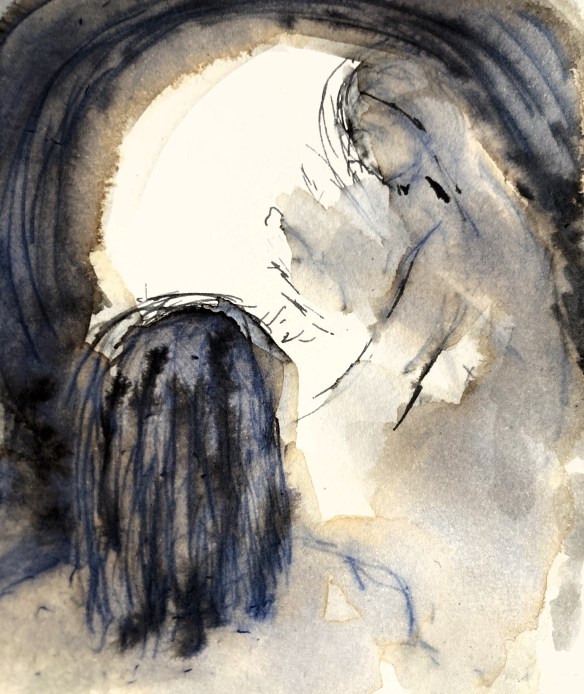
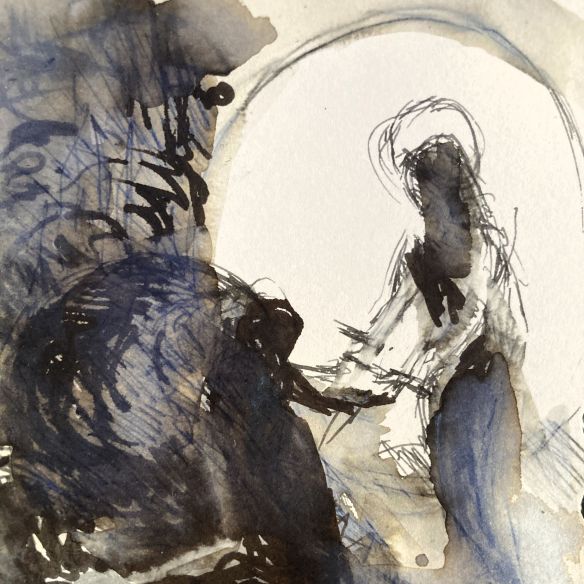
The Agony in the Garden
The Gospel John 18, 15:18, Peter denies Jesus
15 Simon Peter followed Jesus, and so did another disciple. As this disciple was known to the high priest, he entered the court of the high priest along with Jesus, 16 while Peter stood outside at the door. So the other disciple, who was known to the high priest, went out and spoke to the maid who kept the door, and brought Peter in. 17 The maid who kept the door said to Peter, “Are not you also one of this man’s disciples?” He said, “I am not.” 18 Now the servants[a] and officers had made a charcoal fire, because it was cold, and they were standing and warming themselves; Peter also was with them, standing and warming himself.
The Gospel John 18, 28-28, Jesus before Pilate
28 Then they led Jesus from the house of Ca′iaphas to the praetorium. It was early. They themselves did not enter the praetorium, so that they might not be defiled, but might eat the passover. 29 So Pilate went out to them and said, “What accusation do you bring against this man?” 30 They answered him, “If this man were not an evildoer, we would not have handed him over.” 31 Pilate said to them, “Take him yourselves and judge him by your own law.” The Jews said to him, “It is not lawful for us to put any man to death.” 32 This was to fulfil the word which Jesus had spoken to show by what death he was to die.
33 Pilate entered the praetorium again and called Jesus, and said to him, “Are you the King of the Jews?” 34 Jesus answered, “Do you say this of your own accord, or did others say it to you about me?” 35 Pilate answered, “Am I a Jew? Your own nation and the chief priests have handed you over to me; what have you done?” 36 Jesus answered, “My kingship is not of this world; if my kingship were of this world, my servants would fight, that I might not be handed over to the Jews; but my kingship is not from the world.” 37 Pilate said to him, “So you are a king?” Jesus answered, “You say that I am a king. For this I was born, and for this I have come into the world, to bear witness to the truth. Every one who is of the truth hears my voice.” 38 Pilate said to him, “What is truth?”
Jesus Sentenced to Death
After he had said this, he went out to the Jews again, and told them, “I find no crime in him. 39 But you have a custom that I should release one man for you at the Passover; will you have me release for you the King of the Jews?” 40 They cried out again, “Not this man, but Barab′bas!” Now Barab′bas was a robber.
19 Then Pilate took Jesus and scourged him. 2 And the soldiers plaited a crown of thorns, and put it on his head, and arrayed him in a purple robe; 3 they came up to him, saying, “Hail, King of the Jews!” and struck him with their hands. 4 Pilate went out again, and said to them, “See, I am bringing him out to you, that you may know that I find no crime in him.” 5 So Jesus came out, wearing the crown of thorns and the purple robe. Pilate said to them, “Behold the man!” 6 When the chief priests and the officers saw him, they cried out, “Crucify him, crucify him!” Pilate said to them, “Take him yourselves and crucify him, for I find no crime in him.” 7 The Jews answered him, “We have a law, and by that law he ought to die, because he has made himself the Son of God.” 8 When Pilate heard these words, he was the more afraid; 9 he entered the praetorium again and said to Jesus, “Where are you from?” But Jesus gave no answer. 10 Pilate therefore said to him, “You will not speak to me? Do you not know that I have power to release you, and power to crucify you?” 11 Jesus answered him, “You would have no power over me unless it had been given you from above; therefore he who delivered me to you has the greater sin.”
12 Upon this Pilate sought to release him, but the Jews cried out, “If you release this man, you are not Caesar’s friend; every one who makes himself a king sets himself against Caesar.” 13 When Pilate heard these words, he brought Jesus out and sat down on the judgment seat at a place called The Pavement, and in Hebrew, Gab′batha. 14 Now it was the day of Preparation of the Passover; it was about the sixth hour. He said to the Jews, “Behold your King!” 15 They cried out, “Away with him, away with him, crucify him!” Pilate said to them, “Shall I crucify your King?” The chief priests answered, “We have no king but Caesar.” 16 Then he handed him over to them to be crucified.
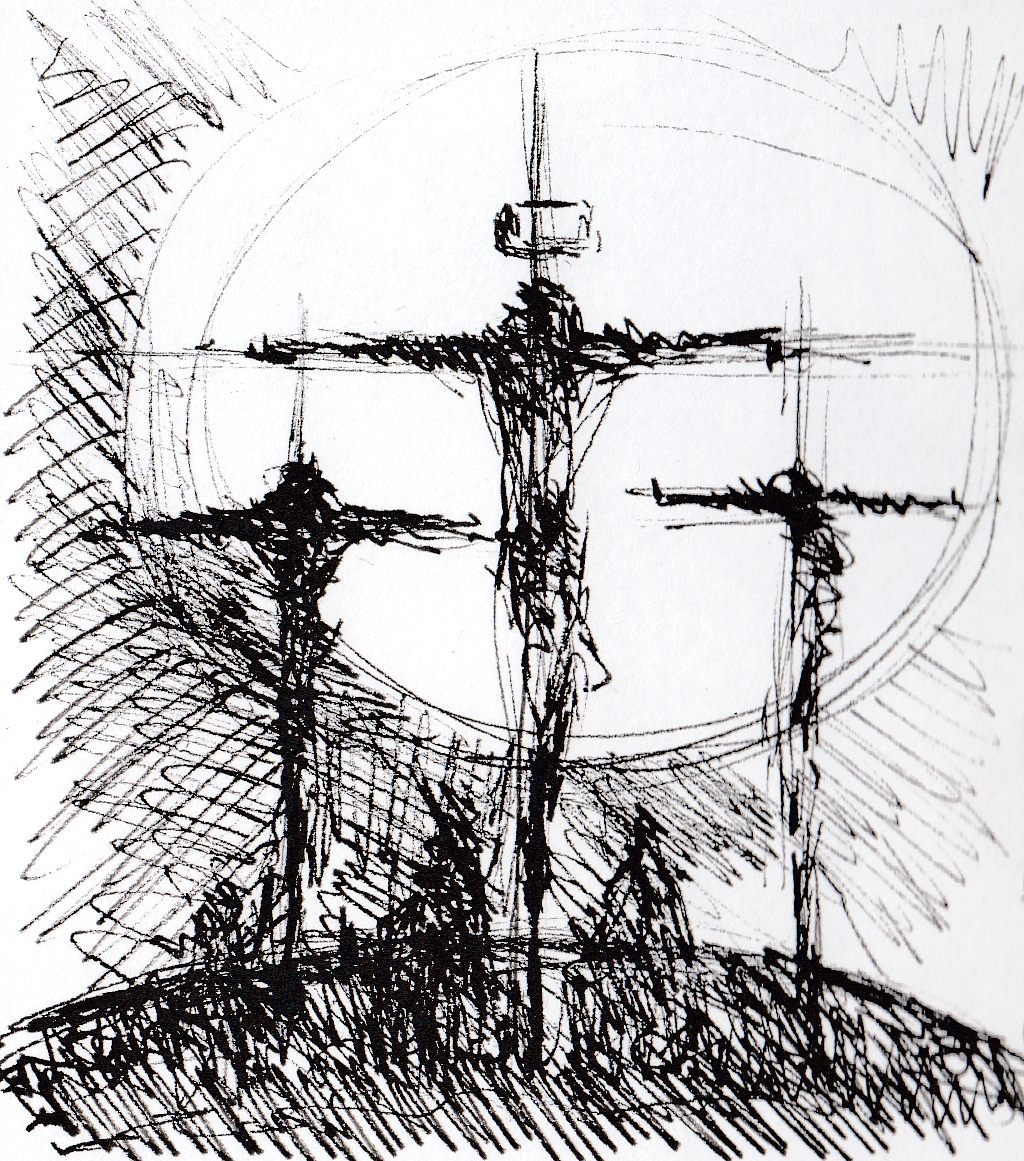
Three crosses on the hillside
The Crucifixion of Jesus
17 So they took Jesus, and he went out, bearing his own cross, to the place called the place of a skull, which is called in Hebrew Gol′gotha. 18 There they crucified him, and with him two others, one on either side, and Jesus between them. 19 Pilate also wrote a title and put it on the cross; it read, “Jesus of Nazareth, the King of the Jews.” 20 Many of the Jews read this title, for the place where Jesus was crucified was near the city; and it was written in Hebrew, in Latin, and in Greek. 21 The chief priests of the Jews then said to Pilate, “Do not write, ‘The King of the Jews,’ but, ‘This man said, I am King of the Jews.’” 22 Pilate answered, “What I have written I have written.”
23 When the soldiers had crucified Jesus they took his garments and made four parts, one for each soldier; also his tunic. But the tunic was without seam, woven from top to bottom; 24 so they said to one another, “Let us not tear it, but cast lots for it to see whose it shall be.” This was to fulfil the scripture,
“They parted my garments among them, and for my clothing they cast lots.”
25 So the soldiers did this. But standing by the cross of Jesus were his mother, and his mother’s sister, Mary the wife of Clopas, and Mary Mag′dalene. 26 When Jesus saw his mother, and the disciple whom he loved standing near, he said to his mother, “Woman, behold, your son!” 27 Then he said to the disciple, “Behold, your mother!” And from that hour the disciple took her to his own home.
28 After this Jesus, knowing that all was now finished, said (to fulfil the scripture), “I thirst.” 29 A bowl full of vinegar stood there; so they put a sponge full of the vinegar on hyssop and held it to his mouth. 30 When Jesus had received the vinegar, he said, “It is finished”; and he bowed his head and gave up his spirit.
St Peter’s High Altar Window, which shows the Deposition of Christ and the women who tended him, including Mary Magdalene
At the end of the vigil, everyone left quietly and the church clock struck 3pm.